Τρίτη 4 Φεβρουαρίου 2014

From LGBTIQ Greece With Love

http://www.youtube.com/watch?v=t30NYjZX684&feature=youtu.be

#ProtestSochiGreece

Γνωρίζεις για την καταπάτηση των ανθρωπίνων δικαιωμάτων στη Ρωσία και θες να διαμαρτυρηθείς μαζί με τα πιο πολύχρωμα άτομα της πόλης σου;
Δεν έχεις ιδέα περί τίνης πρόκειται;
Δες εδώ: http://goo.gl/QZ8mnJ, εδώ: http://goo.gl/Zlslcs κι εδώ:http://goo.gl/bJqR7j.

ΠΑΡΑΣΚΕΥΗ 7/2

ΑΘΗΝΑ
Καλλιμάρμαρο, 16:00 https://www.facebook.com/events/1379303959002738
ΘΑΣΣΑΛΟΝΙΚΗ
Καμάρα, 18:00 https://www.facebook.com/events/1420952554809887
ΡΕΘΥΜΝΟ
Δημαρχείο Ρεθύμνου, 18:00 https://www.facebook.com/events/704795246221053
ΓΙΑΝΝΕΝΑ
18:00 μπροστά στην Περιφέρεια Ηπείρου (πρώην Νομαρχία) https://www.facebook.com/events/214144102122916
KATEΡΙΝΗ:
18:00, Πλατεία Ελευθερίας
ΛΑΡΙΣΑ: 
18:00, Πλατεία Ταχυδρομείου 
https://www.facebook.com/events/522100754562751 

Join Russian LGBT activists in promoting LGBTI equality and non-discrimination (February 7 – 23) The Winter Olympic Games will open is Sochi in less than fivedays. Russian LGBT organizations: 'Russian LGBT Network', 'Coming Out', Side by Side Film Festival, Russian LGBT Sport Federation, 'Rakurs, and 'Out Loud' project invite you to speak up in support of equality and respect of human dignity for LGBTI people in Russia and post the special Olympic Equality avatar as your profile picture on Facebook and Twitter. The fundamental principles of the Olympic movement say that ‘Any form of discrimination … is incompatible with belonging to the Olympic movement’, and that “the goal of Olympism is to place sport at the service of the harmonious development of humankind, with a view to promoting a peaceful society concerned with the preservation of human dignity.” Promotion and realization of these values and principles is crucial in Russia, as the world is invited to a celebration of excellence and national pride in an environment of harassment, impunity of violence and systematic violations of human rights and freedoms. Please add your voice to the voices of LGBT in Russia, change your profile picture to call on the Olympics to uphold its mission, and help our work towards a better understanding and respect of human rights in Russia. Add a message about equality for LGBTI to your new picture and help spread the word! on behalf of the coalition of the organizations: 'Russian LGBT Network' 'Coming Out' LGBT organization Side by Side LGBT Film Festival Russian LGBT Sport Federation 'Rakurs' LGBT organization Out Loud project


Η μέρα έναρξης των Ολυμπιακών Αγώνων έφτασε. Το βράδυ της Παρασκευής οι σημαίες όλου του κόσμου θα

 παρελάσουν στην ομοφοβική/τρανσφοβική Ρωσία.

Και εμείς ενωμέν@, θα διαμαρτυρηθούμε "σιωπηλά", διεκδικώντας πολύχρωμους Ολυμπιακούς Αγώνες, ενάντια στις

 διακρίσεις, την ομοφοβία/τρανσφοβία, την αφάνεια και τον ρατσισμό. 

Σε περιμένουμε την Παρασκευή στις 16:00 στο Καλλιμάρμαρο 

Με "αγάπη" από την LGBTIQ Ελλάδα

Διοργάνωση: 

Colour Youth, E.R.G.O., Athens Pride, PoustiRiot, Ο.Λ.Κ.Ε., Σ.Υ.Δ., Οικογένειες Ουράνιο Τόξο, Λ.Ο.Α. και

 QueerTrans


https://www.allout.org/en/p6events?t=dXNlcmlkPTcwNTY1NDEsZW1haWxpZD0yMzc2NQ==


https://www.facebook.com/events/704795246221053/?ref=3&ref_newsfeed_story_type=regular


https://www.facebook.com/events/1379303959002738/?notif_t=plan_user_joined

https://www.facebook.com/events/214144102122916/?previousaction=join&source=1

Κάλεσμα κινητοποίησης προς ομάδες/ΛΟΑΔ εκτός Αθήνας, Θεσσαλονίκης, Κρήτης:

Φαντάζομαι πως έχετε ενημερωθεί σχετικά με τις διαμαρτυρίες που έχουν οργανωθεί για αυτήν την Παρασκευή για την έναρξη των χειμερινών
Ολυμπιακών Αγώνων στο Sochi--υπάρχει περίπτωση να διοργανώσετε κάτι και στη δική σας πόλη;
Όσο μικρή και συμβολική κι ας είναι η διαμαρτυρία (μία σημαία και 10-20 άτομα σε κεντρικό σημείο;)--θα κοινοποιήσουμε κι εμείς τις πληροφορίες και--
αν φοβάστε για αντιδράσεις--θα μπορούσατε στην περιγραφή του event να γράψετε μόνο σχετικά με καταπάτηση 'ανθρωπίνων δικαιωμάτων'.
Τι λέτε;

Διαμαρτυρίες μέχρι στιγμής:
ΑΘΗΝΑ:
Παρασκευή 7/2, 4μμ, Καλλιμάρμαρο
https://www.facebook.com/events/1379303959002738

ΘΕΣΣΑΛΟΝΙΚΗ:
Παρασκευή 7/2, 6μμ στη Καμάρα
https://www.facebook.com/events/1420952554809887

ΚΡΗΤΗ:
Παρασκευή 7/2, 6μμ στο Ρωσικό προξενείο στο Ρέθυμνο
https://www.facebook.com/events/704795246221053

ΙΩΑΝΝΙΝΑ:
 Παρασκευή 7/2 6μμ μπροστά στην Περιφέρεια Ηπείρου (πρώην Νομαρχία)

__________________________________________________________________

Μερικά κείμενα σχετικά με τις διαμαρτυρίες της Παρασκευής σχετικά με τους Ολυμπιακούς Αγώνες στο Sochi που μπορεί να φανούν χρήσιμα:

Ενα social-media-friendly μικρό κείμενο που χρησιμοποιήσαμε για να κοινοποιήσουμε τις διαμαρτυρίες που έχουν οργανωθεί:


Γνωρίζεις για την καταπάτηση των ανθρωπίνων δικαιωμάτων στη Ρωσία
και θες να διαμαρτυρηθείς μαζί με τα πιο πολύχρωμα άτομα της πόλης σου;

Δεν έχεις ιδέα περί τίνης πρόκειται;Δες εδώ: http://goo.gl/QZ8mnJ, εδώ: http://goo.gl/Zlslcs κι εδώ: http://goo.gl/bJqR7j.Κι έλα αυτή την Παρασκευή στις 4μμ στο Καλλιμάρμαρο (Αθήνα).
/στις 6μμ στην Καμάρα (Θεσσαλονίκη).
/στις 6μμ στο Ρωσικό προξενείο Κρήτης στο Ρέθυμνο (Κρήτη).
Και twitter-friendly:

Tweet i.

Ξέρεις για την καταπάτηση των ανθρωπίνων δικαιωμάτων στη Ρωσία & θες να διαμαρτυρηθείς; http://[[[goo.gl/BMtA29  [Παρασκευή, 4μμ, Καλλιμάρμαρο (etc)]
Tweet ii. 
Δεν έχεις ιδέα γιατί οι ΛΟΑΔ διαμαρτύρονται για τη Ρωσία; Δες εδώ: http://goo.gl/QZ8mnJ , http://goo.gl/Zlslcs , http://goo.gl/bJqR7j .


Δευτέρα 3 Φεβρουαρίου 2014

The situation in Ukraine from a human rights' activist perspective:Eliza Goroya's speech


  in the Ukrainian Parliament, Kyiv, 03/02/14

Ukrainian Parliament, Kyiv, 03/02/14in the presence of former Presidents of Ukraine Viktor Yushchenko and Leonid Kravchuk.


My name is Eliza Goroya and I am a member of the Greek Helsinki Monitor.

I was invited here today to provide some insight as a Greek human-rights and anti-Nazi campaigner.

But how is the Greek struggle relevant to the Ukrainian one?
Well, we both have many angry people. And also a macho soccer culture to facilitate all this anger.
People feel indignant because they have lost their trust in the political system—and for good reasons. Both Greeks and Ukrainians have  also lost their trust in the unobstructed administration of justice and the legislation process.Both countries are facing a financial crisis and citizens feel like their country is 'being taken away from them' when the respective governments have to chose bailout options and, therefore, negotiate external influence. This naturally triggers issues of national identity, independence, patriotism and –to an extremist minority—radical nationalism. The state's first reflex should be to protect the vulnerable minorities that will be targeted by this extremist reaction to austerity, and to broaden and welcome the dialogue—rather than silencing these tendencies—without, of course, at the same time tolerating hate speech.
Her Queerness in the Parliament
But human rights' active protection—what is essentially the way the state can protect its minorities —is constantly disregarded in both countries.
On that note, I would like to congratulate Ukraine on succeeding to lose every single case out of 211 at the European Court of Human Rights—not surprisingly, you'll find yourselves in the company of Greece in this one too.
Meanwhile, all around the world we see a vibrant human rights movement. Sadly both Ukraine and Greece are still struggling to catch up with their more tolerant and progressive counterparts.
We are asked whether we want to keep clinging towards that more conservative, divisional past or listen to the global pulse towards inclusiveness.
Regarding extremism in Ukraine, I must admit that although we must be concerned about the rise of radicalism, nazism doens't seem to be the main problem here. And it doesn't seem that it is an anti-nazi strategy that will soothe the situation—this would only build up the tension as it would conveniently hijack all the movement for its tiny minority extremist part. It would even legitimize that small portion of extremists and it would lead to a direction of divisions and disorientation.
We should answer to radicalism with even more democracy and provisions for the vulnerable.
It is a passionate, never-sleeping, never hesitant, all-inclusive rhetoric that should take over.
It is our voices and the words we use—the humanity our words spread that build the cohesion and the diversity of the civil society.

Regarding the recent legislative actions:
The Ukrainian anti-protest laws were, admittedly, a rushed move to regulate protests—but also a move to restrict the freedom of expression, the freedom of the citizens to criticise the government; and were also violating the legal legislative procedure.
I shall not dwell on this, as these laws have been now correctly appealed and we salute the corrective gesture.
Most importantly, regarding the new amnesty-related law that will be discussed here, in the Ukrainian parliament, on Wednesday, and suggests to offer amnesty for protesters that have been arrested during anti-government protests only if protesters would leave the streets and end their occupation of government buildings: I will now support that it is not a solution.
Our counterpart, the Ukrainian Helsinki Human Rights Union, informs us that “[...]w
hereas international and domestic law alike clearly affirm the universally recognised principle of individual liability: one can be held liable for his own conduct, collective responsibility is outlawed; this Law in fact establishes collective responsibility, as release of certain individuals is made conditional on acts or abstention of others. Not only does the law run counter to the fundamental rules of international, constitutional, and criminal law; we state that its adoption violated a number of the Parliamentary rules of procedure. It cannot therefore be regarded as a legitimate resolution of the present social and political crisis. [...] We call upon the President of Ukraine to not be an accessory to the Article 147 offence and to not sign the Law On Eliminating negative consequences and preventing the prosecution and punishment of persons as respects the events taking place in the course of peaceful assemblies.
We are convinced that unconditional release of all those detained in the course of the protests, prohibition for the police to make arrests of protesters at hospitals, a ban on violence committed by the police and protesters, as well as security of the protesters against the aggressive opponents, a.k.a. ‘titushki’ is a prerequisite for negotiating any further decisions seeking a settlement of the social and political crisis."

President Yanukovych, members of the opposition and every one else that has played a part in the current situation:
You are standing in front of your legacy. Forming it; right now.

Admittedly, President Yanukovych has, unfortunately, missed his opportunity to be remembered as a 'Lech Walesa'. And we will all agree that he is no 'Nelson Mandela' either. 
But he—and the opposition leaders if they cooperate—can be remembered as the politicians that, within their privilege, they overcame personal ambition, political and economic gain, and heard to what the people are demanding: and people—more than Ukrainians being pro-Europe or pro-Russia, Ukrainians, are Pro-UKRAINE—they want to have a voice, they are calling for a democratic reform. And that might spare Ukraine from further bloodshed and even a, much-feared, civil war. 
 The ultras invite people to organise themselves “not against Russia, not pro-Europe, but for Kyivans, for our city!”. Democratic ideas as such will be hijacked by extremists if they are not brought back into mainstream politics. Therefore, a referendum on EU relations, the creation of a broad coalition government, a shift from a presidential to a parliamentary system could be possible solutions.

Yes, it is clear: Ukraine is a battlefield of influences—Kremlin, Brussels, Beijing.
In order to battle nationalism, wouldn't it be wise to allow—by supporting an enhanced democracy—the most important influence on Ukraine to be the one Ukrainians have on their country's future? That would directly tackle the radicalism that is fuelled by people's sense of having their countries being taken away of them—them not having a voice, nor power, over their own country.
Not only you must allow the citizens to criticise the government—it should be actively encouraged and both the government and the opposition should pay close attention.

This speech has been not only a call towards welcoming critique but also a sample of what that critique might sound like.

I urge you to encourage citizens to voice their views and feel they are being heard. Let citizens not be afraid of the police. Let this foreigner queer activist not be afraid of what might happen to her if she speaks her mind but to feel, rather, that she has contributed her part in an ongoing constructive critique towards the much-needed democratic reform of Ukraine and of, why not, Greece too. A state's first reflex against the rise of extremism should be to protect the targets: the Jewish community, people of colour, roma, people with disabilities, mentally-ill, hiv-positive and aids patients, ethnic minorities, immigrants, the gays. lesbians, bisexuals, trans-sexual/trans-gendered and all others that urgently need this support.
Thank you

Κυριακή 2 Φεβρουαρίου 2014

Εάν, πότε και πόσα παιδιά θα κάνουμε, δική μας η απόφαση Ελεύθερη και δωρεάν έκτρωση σε Ελλάδα, Ισπανία και παντού


Εκδήλωση διαμαρτυρίας και φεμινιστικής αλληλεγγύης το Σάββατο 1η Φεβρουαρίου, 12.00μμ, μπροστά στην Ισπανική Πρεσβεία στην Αθήνα, Διονυσίου Αρεοπαγίτου 21 (μετά το Μουσείο Ακρόπολης)
Στην Ισπανία, η κυβέρνηση ετοιμάζει νόμο για τον περιορισμό του δικαιώματος των γυναικών στην αυτονομία του σώματός τους, για την απαγόρευση της έκτρωσης.
Ως απάντηση, ετοιμάζεται μεγάλη κινητοποίηση στη Μαδρίτη, την 1η Φεβρουαρίου, με γυναίκες που θα φτάσουν από όλη τη χώρα, για να δηλώσουν την αντίθεσή τους σε αυτά τα σχέδια και να διεκδικήσουν τα δικαιώματά τους, ενώ σε όλη την Ευρώπη οργανώνονται κινητοποιήσεις διεθνιστικής αλληλεγγύης.
Αντιστεκόμαστε σε κάθε απόπειρα περιορισμού της αυτοδιάθεσης του σώματός μας!
Αλληλεγγύη στις γυναίκες στην Ισπανία!


φεμινιστικές ομάδες:
Φεμινιστική Πρωτοβουλία για την εξάλειψη της βίας κατά των γυναικών
Παγκόσμια Πορεία Γυναικών (ελληνικό δίκτυο)
Λεσβιακή Ομάδα Αθήνας
Οικογένειες Ουράνιο Τόξο
Πρωτοβουλία Γυναικών ενάντια στο Χρέος και τα Μέτρα Λιτότητας – Γυναίκες για τα Σεξουαλικά και Αναπαραγωγικά Δικαιώματα
Θεματική Ομάδα για τα Ανθρώπινα Δικαιώματα των Οικολόγων Πρασίνων
Ομάδα Γυναικών ΟΚΔΕ-Σπάρτακος
Τμήμα Φεμινιστικής Πολιτικής ΣΥΡΙΖΑ
Στηρίζει η φεμινιστική ηλεκτρονική εφημερίδα Φύλο Συκής

con tante belle persone oggi davanti al Consolato spagnolo a Firenze per manifestare per i diritti delle donne per la liberà di scelta e la maternità libera e consapevole!


     a Cagliari


Aμβλώσεις ελεύθερες, δωρεάν και χωρίς παρέμβαση της εκκλησίας!
Δεν δεχόμαστε μαθήματα βιολογίας από αυτούς που πιστεύουν ότι οι γυναίκες γεννήθηκαν από ένα πλευρό.


https://www.youtube.com/watch?v=J2Z9LILteps

Σάββατο 1 Φεβρουαρίου 2014

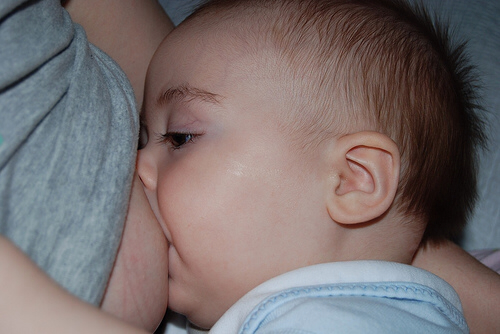
Breastfeeding and parenting from a transgender perspective.


I'm very excited to announce that my research team has received full funding from the Canadian Institutes for Health Research! We are investigating the experiences of transmasucline people with pregnancy, birth, and infant feeding. I posted about this before but really wanted to share this amazing update  I will be getting in touch shortly with those of you who already expressed interest in participating - our full project will now move forward. For those who may not be familiar, I'm posting the letter about the project here:

Hi everyone,

I am the research coordinator for a University of Ottawa study titled, "Transmasculine Individuals' Experiences with Pregnancy, Birthing, and Feeding Their Newborns: A Qualitative Study". The researchers are Joy Noel-Weiss and Michelle Walks. The study has ethics approval from the University of Ottawa Ethics Review Board. I have been involved in designing the research study, and I will conduct participant interviews. I will work with Joy and Michelle to analyze the data and write the final papers that we will publish. Our research team also includes lactation consultants, MaryLynne Biener and Diana West, registered nurse and LC Elizabeth Myler, and midwife, Alanna Kibbe.

We are trying to understand what works and what does not work - especially how nurses, physicians, midwives, and lactation consultants can better help transmasculine individuals. Your participation would involve 2-3 interviews – one or two to tell your story and then a final interview later to confirm the findings. The study will be only conducted in English. Participants will remain anonymous in all published material. If you are interested in more information or would like to join the study, please email me at tmacdon3@uottawa.ca, reply in this thread, or send me a private message.

Anyone who self-identifies as transmasculine and has experienced or is currently experiencing pregnancy and birth is eligible to be involved in this study. There is no requirement regarding transitioning or method of infant feeding. Transmasculine individuals who planned their transitions after pregnancy and birth, as well as those individuals who transitioned before pregnancy and birth, are eligible to participate.

Please feel free to share this letter with anyone who you believe may be interested.

Sincerely,

Trevor

Thursday, 9 May 2013

Trans Women and Breastfeeding: A Personal Interview

So far, this blog has exclusively addressed issues faced by transmasculine folks. I started writing it from my personal experience, and I am transmasculine. However, I've received several questions from trans women who are interested in breastfeeding. After doing some Google searches, I realized that just as there is little to no information for trans men on this topic, there is not much written for trans women. In particular, I haven't found any personal accounts or interviews. I will try to do my part to fill a little bit of this gap. This is part one of a mini-series on trans women and lactation. Enjoy!

Trans women, individuals who were assigned male at birth but identify and live as women, CAN breastfeed. It is possible, and totally awesome! Health care providers, volunteer breastfeeding counsellors, and trans women themselves need to learn this important, empowering fact.

Over the last few weeks, I spoke a couple of times with a trans woman and mother, who we'll call Sarah, to better understand how she became a parent and successfully induced lactation. Sarah's baby is now more than a year old and they still enjoy a wonderful breastfeeding relationship. I'll give a bit of background here on conception and then launch into our lactation interview.

Sarah and her wife are both genetic parents to their baby. Sarah explained to me that many doctors, endocrinologists and trans women erroneously believe that after taking antiandrogens and hormone replacement therapy for a relatively short period of time (depending on who you're talking to, they may say something between six months and two years), a trans woman will be permanently infertile, despite not having had 'bottom surgery'. This is to say that even if she halts her hormone therapy, it is claimed that she will not be able to produce viable gametes. Sarah believes this claim is based not on science, but on a widespread lack of understanding of trans women’s bodies and many healthcare professionals’ lack of interest in helping them preserve their fertility.

Despite having taken hormone replacement therapy and antiandrogens for 5 years, Sarah was still able to produce what she calls ‘baby-making ingredients’ following a six-month cessation of her medication. Trans women hoping to help make a little munchkin should note that it takes about three months for their gametes to grow and mature. In addition, this genetic material is very sensitive to heat and needs to develop away from the body, below core body temperature. A trans woman who usually ‘tucks’ will need to change how she dresses for a while to regain her fertility.
Sarah banked her gametes, a choice she believes all trans women should be offered. Another five years later, when she and her wife decided to conceive, Sarah went off her hormones once again to obtain a fresh DNA contribution if possible. She was again successful, after a total of ten years on hormones and antiandrogens. The couple was able to conceive at home, an option that was far less expensive than using the previously banked material at a clinic.

They chose to have a homebirth because they wanted to avoid unnecessary medical interventions. As a lesbian couple, they were also worried about their relationship being questioned by hospital employees.

SARAH: We had the most incredible midwife for the birth. When we first met her, we explained our situation, and she used the term "non-gestational mom," which I’d never heard before. I loved that when confronted with a situation that had been confusing for so many doctors and nurses, she had a perfect, descriptive word for my relationship to my baby, right on the tip of her tongue and didn’t stumble over whether to use ‘non-biological’ or ‘donor’ or something else inappropriate. I'm one of the two genetic moms of my baby, but I'm the non-gestational mom.

ME: So you didn't have to educate your midwife at all about trans issues. That's awesome! What steps did you take to induce lactation? Which health care providers did you approach for help?

SARAH: I didn't know where to start. I looked through my health insurance booklet for an endocrinologist. There was a section that said "reproductive endocrinologist," which sounded just right. I called a couple of different offices until I got someone to call me back.

I said to the nurse, "Here's what I'm looking for. I know that this doctor doesn't have any experience with this, because NO ONE has any experience with it. I'm not looking for her to know what's going on, but I have an idea what I want to do, and I think I know what I need. I just want somebody to work with me."

When I saw the doctor, she said, "I think this is very unlikely to work, but I'm happy to help you try."

I didn't feel like she added that much to the process, other than prescribing the hormones I needed.

ME: When did you first think that you might breastfeed?

SARAH: We definitely thought about it before we got pregnant. It had been a vague part of our plan. I was inspired by the book, Confessions of the Other Mother: Non-Biological Lesbian Moms Tell All. As an aside, I really don’t like this use of the word ‘non-biological,’ referring to both parents and trans people. Just because we transitioned, or just because someone's not genetically linked to their child, that doesn’t mean we’re made of styrofoam. We’re flesh and blood, we have real live bodies that are ours, and that hold and love our children. There is no such thing as a non-biological person. But reading the book was really worthwhile, and one of the things that struck me was the difference in a mom's experience when she had not had a breastfeeding relationship with her baby. I wanted our roles in caring for our baby to be defined as little as possible by who gave birth to him, and for us to be able to give the same kind of comfort to him. As we started reading more, I got pretty attached to the idea of breastfeeding and really hoped it would work out.

ME: What medications did you take to induce lactation?

SARAH: People sometimes say that birth control pills ‘simulate pregnancy.’ Another effect of this medication is to stimulate the development of breast tissue. If you haven't been through a normal female puberty and haven't had progestins in your system, birth control pills are necessary to help build milk ducts and glandular tissue. Estrogen increases during pregnancy, and then after birth it drops sharply.

I modified the Newman/Goldfarb protocol for induced lactation a bit, since I was already taking hormones. I started replacing my usual estrogen with birth control pills (Nortrel 1/35, each pill contains 1mg of a progestin and 0.035mg of synthetic estradiol) about six months before our baby's birth. Closer to the due date, I added half my regular dose of estrogen, and then stopped taking it after the birth. Two weeks after the birth I started pumping and taking domperidone. [Note: Domperidone is a drug generally used to control nausea, but has the side effect of increasing lactation output, often quite dramatically. Domperidone for breastfeeding support is an off-label use of the drug. It can be difficult to obtain for that purpose in some countries such as the US. In others, it is much more commonly available.]

ME: We know that breastfeeding works via a supply and demand system. If the baby does not take enough milk from the gestational mother, her body will produce less milk as a result. If the baby nurses more and demands more milk, the gestational mom will produce more. In the early weeks, the amount that a baby nurses and draws milk helps to determine the gestational mother's milk supply later on. Having the baby nurse from you, Sarah, would also increase your supply, since a healthy baby is more efficient than a breast pump at removing milk from the breast. What did you do after your baby was born? How did you protect your wife's milk supply while bringing in your own?

SARAH: We wanted my wife to breastfeed him exclusively for about the first 4-6 weeks so that she could establish her supply. I pumped during that time. After about the third day of pumping, I started to produce some milk. It was weird, because I was used to pumping and pumping and not getting anything. I looked down that day and there were tiny milky droplets, and they were firm, almost like wax. I kept pumping, and I kept getting that weird consistency, and then the next day, it was softer. It got thinner until it was just milk. I didn't expect it to come in like that – it didn’t come in all at once like my wife’s milk did after she gave birth. It came gradually and it took days before the first drop fell into the pump bottle. But it looked like milk, smelled like milk, and tasted like melted ice cream. You could put it in your coffee or whatever!

ME: How was your experience of latching your baby in the beginning?

SARAH: It probably helped that it wasn't his first attempt. He pretty well knew what he was doing. He’d been nursing on my wife since he was five minutes old. I did find that, especially when I was very full of milk, my breasts were not really soft enough to go into his mouth. Some lactation consultants recommend making a sandwich to help smush your breast into the baby's mouth, and I had to do that. When he was little, I don't think he could get my breast far back enough in his mouth to trigger the sucking reflex without quite a bit of help from me. But after a few months I didn’t have to do that anymore. My wife and I both had more issues with nursing early on than we do now, because when babies are so small, you can't really get very much [breast tissue] in and you have to hold their head at just the right angle.

ME: Yeah, it gets so much easier as they get bigger and stronger. How did you and your wife share nursing duties?

SARAH: When I started nursing, my milk came in quite slowly, so it didn't seem to have any effect on my wife's supply. I would pump every time he nursed on her, and at first, she would try to pump every time he nursed on me. That way we wouldn't be hurting each other's supply. After a couple of months, we stopped pumping. We were sharing nursing and had a freezer full of milk – we decided to just let it be. Neither of us had enough milk to keep him happy all day long, but we both stayed home from work for quite a while so it worked out well.

ME: How was the experience of co-nursing overall?

SARAH: The breastfeeding relationship with my son is so amazing, it's more wonderful than I ever imagined. I feel so connected to him, and he is so bright and independent and I think part of that is having such secure attachments to both his moms. Plus, it's incredibly convenient. I think all parents who can manage to do it should try. In the early months we got twice as much sleep because we were cosleeping and he just rolled back and forth between us to nurse when he needed to. ["Or half as much sleep", Sarah's wife joked.] Either of us could take him out for an afternoon without worrying about bottles or getting him back home in time for a feed.

Then when our baby was about six weeks old, my wife had to go to the hospital for surgery. She was there for almost a week.

ME: Wow, how lucky that you were both nursing then!

SARAH: It was really, really lucky. We didn’t get good breastfeeding support from the hospital. We had doctors insisting she not breastfeed because of medications when our midwife and lactation consultant knew it was fine. They gave us no support with pumping. I think that for a lot of moms a situation like that could have been the end of the breastfeeding relationship, and it was a huge help that we were both able to nurse him.

ME: Do you have any idea how much milk you ended up producing?

SARAH: It's changed over time. I'm working outside the home now. I was pumping at work for the first four months, but he’s nursing less now and I’ve stopped needing to pump. Our baby is eating solid foods really well now. He still loves nursing and when he comes home he really wants a feed. Back when we were full on breastfeeding exclusively all the time... when I woke up in the morning if I hadn't nursed a lot overnight, I could pump and get 4 ounces.

ME: That's amazing! Lots of gestational moms have trouble pumping that much.

SARAH: Yeah, I had a lot of milk! I didn’t expect inducing lactation to work so well. When my wife was in the hospital and he was nursing on me all the time, I did have quite a bit of pain. We sorted that out with our midwife who realized I probably had low-grade thrush, which makes everything very painful. At first, I thought, "It must just hurt to breastfeed this much." I found out that it wasn't normal and we fixed it.

ME: Are you still taking domperidone now?

SARAH: I tried to wean off domperidone. The dose you have to take to induce lactation is quite high. I slowly reduced my dosage. I found though that if I took less than four 10 mg tablets per day, then my supply really suffered. The protocols for induced lactation say that if you take domperidone, you will probably need to take it until you wean. It's not quite the same self-regulating supply and demand system as experienced by a gestational parent. Also, I'm taking half of my pre-breastfeeding dose of estrogen, which is not recommended while nursing because it can have a negative effect on milk supply. It is considered safe for the baby though.

As well, I'm currently taking one combination birth control pill that is mostly a progestin. A lot of literature says that progestin is not advised for trans women because there is supposedly 'no benefit' to it: it doesn’t increase breast size over estrogen alone. But that is not why I take it. When I was preparing to induce lactation [and taking progestins], my moods were so fantastic. I felt much more calm and loving, and I just really liked how I felt in myself. So, I decided after being just on estrogen for a while that I wanted to go back to having a progestin as well.

ME: Did you try to get help with lactation from any other care providers besides your midwife and endocrinologist?

SARAH: I wrote to La Leche League through their web site where you can send a message to a local volunteer. I asked if they knew anything about what we were trying to do. The response I got back was from somebody saying I didn't have real breasts so I obviously couldn't breastfeed. It was from somebody definitely not educated about trans issues. I think this is actually quite commonplace among health care providers, too. I don’t know what goes on in some people’s heads about trans women – I guess they think we all strap on rubber boobs or something? Yet some feel qualified to give medical advice in spite of their total lack of knowledge.

ME: People also focus so much on the amount of milk that is made and not on the relationship. So what if you didn't produce a drop of milk?

SARAH: Yeah, exactly. People should be supported to breastfeed however they can do it. I think it's a shame that so many people don't think about trans people's bodies being capable of breastfeeding, and that they don't consider and value the breastfeeding relationship. They think it's just about gestational moms and that no one else can do it. That presents two problems: how they think about breastfeeding, and how they think about trans people as well. Health care providers need to be more flexible and help trans people have more control over our own healthcare. We deserve to have the same choices that most other people have when it comes to our fertility and to caring for our children.

Big thank you to Sarah for sharing her thoughts and experiences with us! Watch for the next post in this series on trans women and lactation – I'll be talking with lactation consultant, Mary Lynne Biener, and Dr. Jack Newman from the International Breastfeeding Centre in Toronto.

http://www.milkjunkies.net/2013/05/trans-women-and-breastfeeding-personal.html

Contact Us

Name *
Email *
Subject *
Message *
Powered byEMF Web Forms Builder
Report Abuse